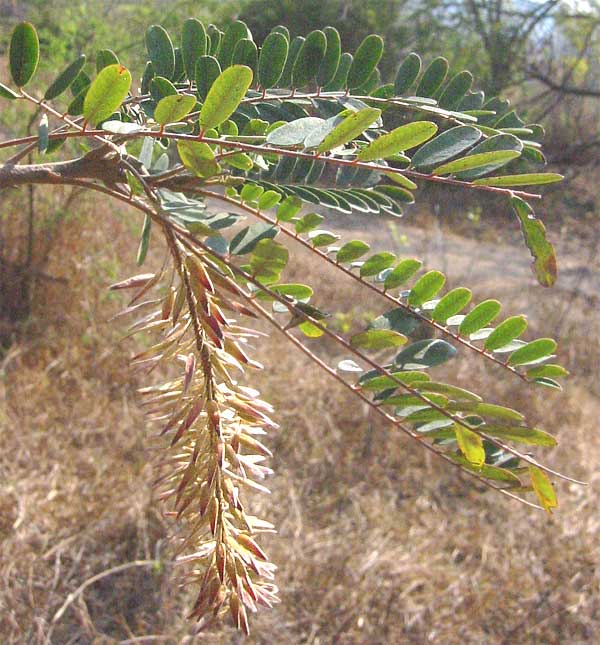
Alvaradoa is a genus of shrubs or small trees in the family Picramniaceae (order Picramniales). The genus comprises several species native to the Neotropics, ranging from southern Florida and Mexico through the West Indies and Central America. Plants are perennial and terrestrial. The most widespread species, Alvaradoa amorphoides (Mexican alvaradoa), is a common native plant in Mexico but is considered endangered and critically imperiled in southern Florida, where it reaches the northern limit of its range.
Distribution
Alvaradoa is a Neotropical genus with a native range spanning southern Florida, Mexico, the West Indies, and Central America. The most widespread species, Alvaradoa amorphoides (Mexican alvaradoa), occurs commonly in Mexico and reaches its northern limit in southern Florida, where it is rare and endangered.
Conservation
Alvaradoa amorphoides is listed as Endangered by the State of Florida and Critically Imperiled by both the Florida Natural Areas Inventory and the IRC in South Florida. NatureServe assesses the species as Globally Secure (G5), reflecting its abundance in Mexico and Central America despite its precarious status at the northern edge of its range in the United States.
Cultivation
Alvaradoa amorphoides is recorded as cultivated in South Florida, though its wild populations there are critically imperiled.
Taxonomy Notes
Alvaradoa is placed in the family Picramniaceae and the order Picramniales. GBIF records no authorship for the genus name and lists 8 descendant taxa. Wikipedia recognizes six species: A. amorphoides, A. arborescens, A. haitiensis, A. jamaicensis, A. lewisii, and A. subovata.










