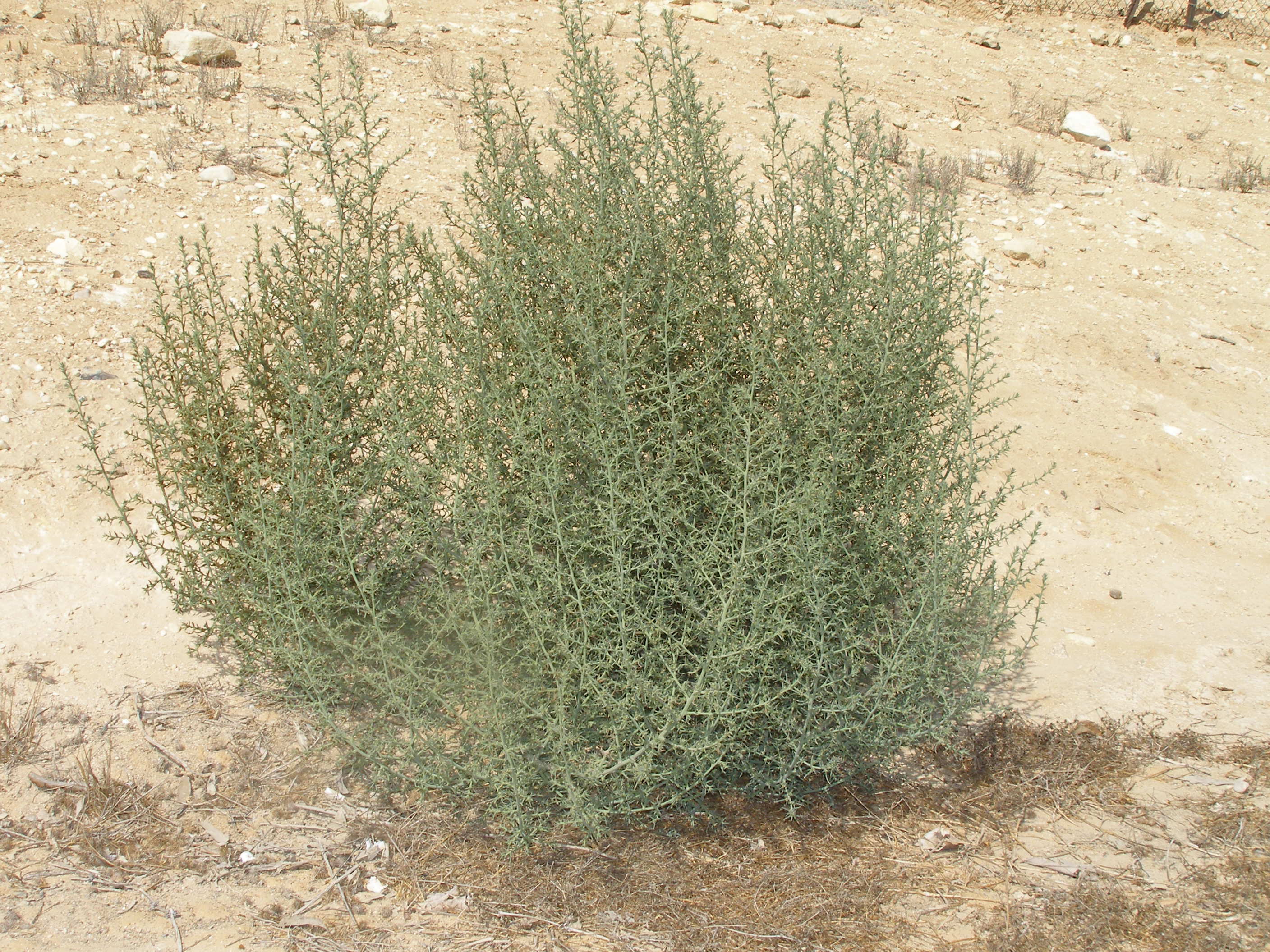
Bassia is a genus of flowering plants in the family Amaranthaceae (order Caryophyllales), comprising annuals and perennial subshrubs distributed from the western Mediterranean to eastern Asia. The genus belongs to the subfamily Chenopodiodeae — Chenopodiaceae is now subsumed within Amaranthaceae — and is characterized by three types of C4 "kochioid" leaf anatomy, a trait that defines the genus more precisely than most other morphological characters, which tend to be variable across individuals.
The plants bear inconspicuous flowers arranged in spike-like inflorescences lacking bracteoles. Fruits are achenes; the seed contains an annular, horseshoe-shaped, or folded embryo that surrounds the perisperm. The fruiting perianth either remains unappendaged or develops five wings that, in the species Bassia hyssopifolia, are distinctly spiny.
Bassia species favor steppe, desert, and semi-arid ecosystems, with some extending into ruderal habitats, salt marshes, and subalpine zones. Phylogenetic evidence places the origin of the genus in the Miocene. Several species have been introduced outside their native ranges. Palatable species with high protein content play a role in rangeland ecology and are occasionally seeded to rehabilitate overgrazed land.
Distribution
Bassia occurs naturally from the western Mediterranean through Central Asia to eastern Asia, primarily in arid and semi-arid regions. Several species have established themselves beyond their native ranges as introduced plants.
Ecology
The genus is strongly associated with steppe and desert ecosystems, but individual species also colonize ruderal sites and salt marshes, reaching subalpine elevations in some areas. Phylogenetic research suggests the genus originated in the Miocene, likely in concert with the expansion of open, dry landscapes across Eurasia.
Taxonomy Notes
Bassia was long placed in the family Chenopodiaceae, which is now treated as subfamily Chenopodiodeae within the broader Amaranthaceae. GBIF carries accepted records under both family names reflecting this synonymy. The genus is further characterized by three distinct types of C4 "kochioid" leaf anatomy, which remain the most reliable diagnostic characters; many other morphological traits are too variable among individuals to be taxonomically diagnostic.
Cultural Uses
Certain Bassia species with notably high protein content are palatable to livestock and serve as valuable forage components in rangeland systems. They are sometimes deliberately seeded to assist in the recovery of overgrazed or degraded rangelands.

