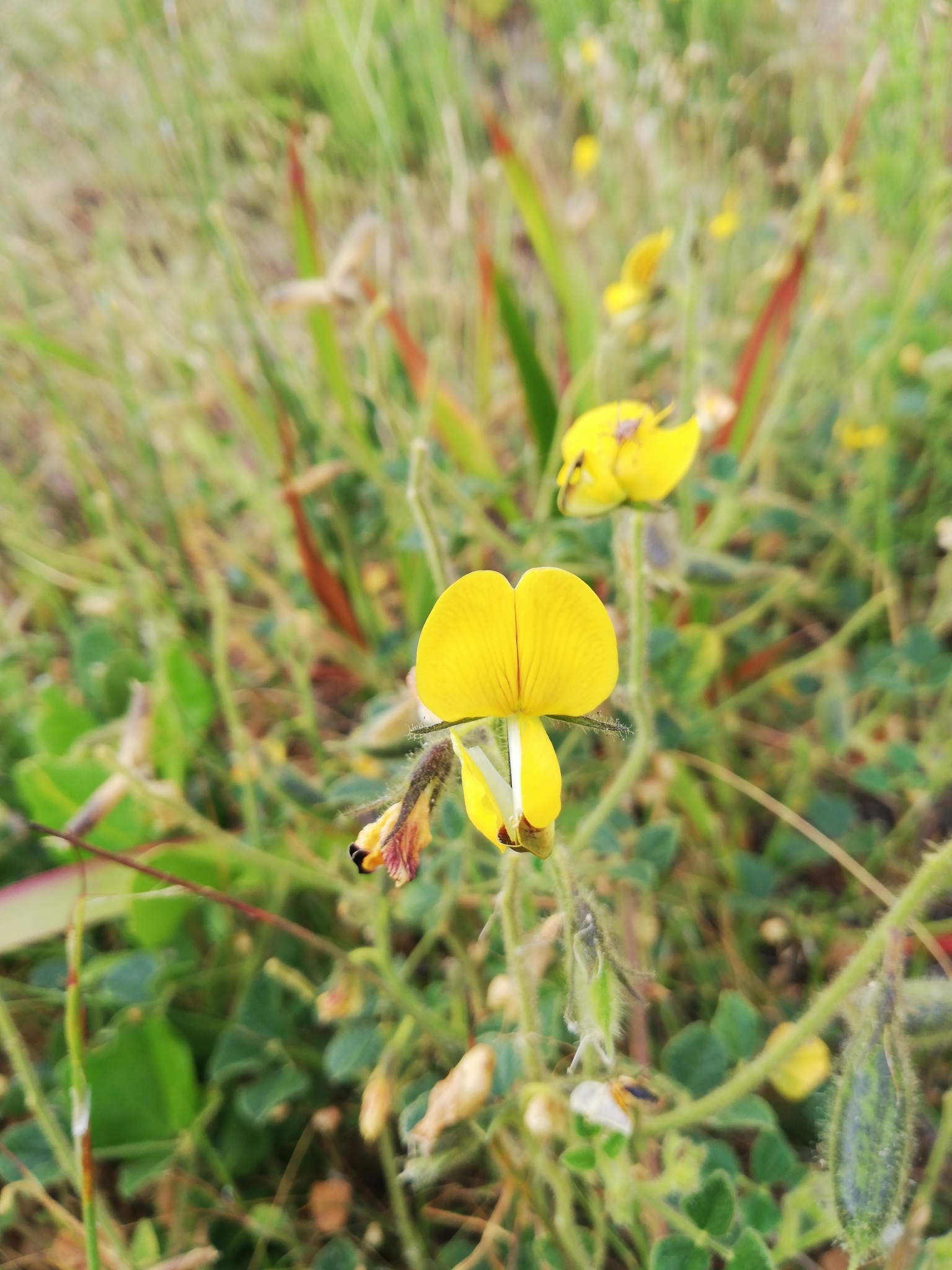
Bolusafra is a monotypic genus of flowering plants in the legume family Fabaceae, order Fabales. It contains a single species, Bolusafra bituminosa (commonly known as tar pea), a small subshrub native to the Cape Provinces of South Africa.
As a member of Fabaceae, Bolusafra belongs to one of the largest and most ecologically important plant families, characterised by the ability of many of its members to fix atmospheric nitrogen through root symbiosis with Rhizobium bacteria. The genus name honours Harry Bolus (1834–1911), a prominent South African botanist, botanical artist, and philanthropist who founded the Bolus Herbarium and made major contributions to documenting the flora of southern Africa. The species epithet bituminosa refers to the tar-like or sticky resinous quality associated with the plant, and its English common name "tar pea" reflects this same characteristic.
The genus is endemic to South Africa's Cape region, a globally significant biodiversity hotspot within the Cape Floristic Region, which is recognised as one of the world's six floral kingdoms.
Etymology
The genus name Bolusafra was coined by Otto Kuntze to honour Harry Bolus (1834–1911), a South African botanist and philanthropist renowned for his botanical surveys of southern Africa and for founding the Bolus Herbarium at the University of Cape Town. The name combines "Bolus" (the botanist's surname) with the Latin suffix -afra ("of Africa"), reflecting the genus's African origin. The species epithet bituminosa (tar-like) and the common name "tar pea" refer to the plant's sticky, resinous character.
Distribution
Bolusafra is native to the Cape Provinces of South Africa. This places it within the Cape Floristic Region, one of the world's most biodiverse areas, characterised by fynbos and renosterveld vegetation types. Over 1,000 iNaturalist observations confirm it as a regularly recorded plant within its South African range.










