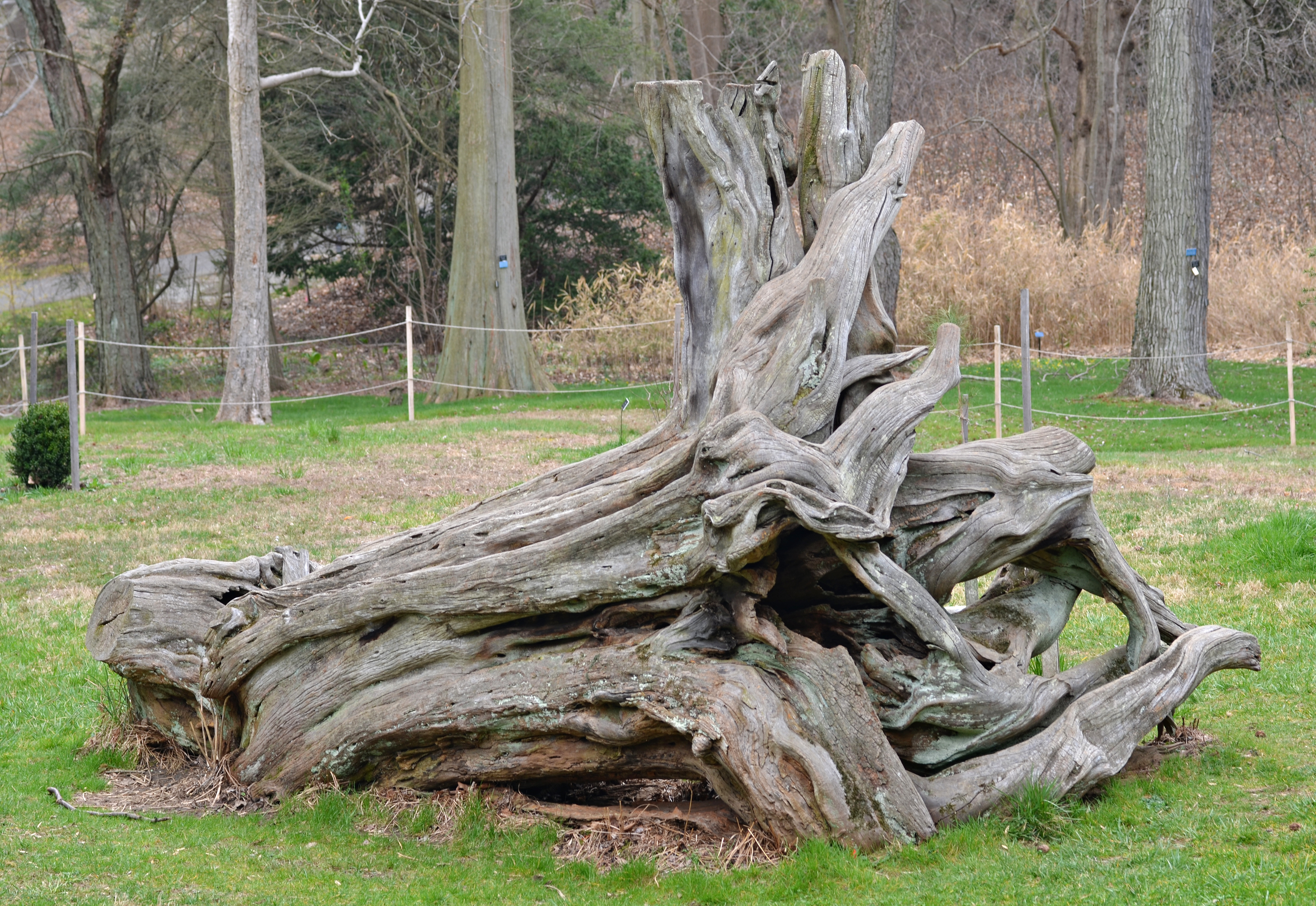
Maclura is a genus of flowering plants in the mulberry family (Moraceae), placed in the order Rosales. The genus comprises approximately 13 accepted species of trees and shrubs distributed across a wide geographic range, including North and South America, eastern Africa, Madagascar, and South and Southeast Asia through to northern Australia.
Plants in this genus are dioecious, bearing male and female flowers on separate individuals. Maclura is closely related to the genus Cudrania, and fertile hybrids between the two have been documented. Some taxonomists take a broader view of the genus that subsumes species formerly assigned to Cudrania and other related Moraceae genera. Molecular and fossil evidence suggests the genus likely originated in South America during the Paleogene epoch.
The best-known member is Maclura pomifera, commonly called the Osage orange or hedge apple, native to a small region of the south-central United States. Despite its common name it is not a true orange; its large, wrinkled, yellow-green fruits are inedible to humans. The species has been widely planted across the United States as a livestock hedging plant, and its hard, dense, rot-resistant wood has been used for fence posts, tool handles, and archery bows. Other notable species include Maclura tinctoria (moral, or fustic), a South American tree whose heartwood yields a yellow dye historically important in textile production, and Maclura tricuspidata (Chinese mulberry), cultivated in East Asia for silkworm rearing and edible fruit.
Etymology
The genus name Maclura commemorates William Maclure (1763–1840), a Scottish-born American geologist and educational reformer. Maclure served as President of the American Academy of Natural Sciences of Philadelphia for 22 years and produced the first geological map of any part of North America. He was also a noted advocate for universal education, particularly for women.
Distribution
Maclura species are distributed across a wide latitudinal range. M. pomifera is native to the south-central United States (historically a small area of Arkansas, Oklahoma, and Texas), while M. tinctoria ranges from Mexico to northern Argentina. Other species occur in eastern Africa and Madagascar, India and Sri Lanka, China, Vietnam, Southeast Asia, and northern Australia. The genus is thought to have originated in South America during the Paleogene, with subsequent dispersal across continents.
Cultural Uses
The Osage orange (M. pomifera) has long been valued by Indigenous peoples and European settlers in North America: its extremely hard and rot-resistant wood was prized for fence posts, wagon wheel rims, and archery bows, and the Osage Nation used it extensively for this purpose. The fruit is anecdotally used as a household insect and mosquito repellent, though scientific evidence for this use is limited. Maclura tinctoria (fustic or old fustic) was a major commercial dye source from colonial times through the nineteenth century; its heartwood produces a yellow dye used to color wool and silk in the textile trade.
Taxonomy Notes
Maclura is placed in Moraceae (the mulberry family), order Rosales, and is closely allied to the genus Cudrania. Intergeneric hybrids between Maclura and Cudrania are known. A broader circumscription of Maclura, adopted by some authors, absorbs several Cudrania species (e.g., Cudrania tricuspidata → M. tricuspidata; Cudrania cochinchinensis → M. cochinchinensis) as well as species from other Moraceae genera. The GBIF backbone currently accepts Maclura as a distinct genus within Moraceae.










