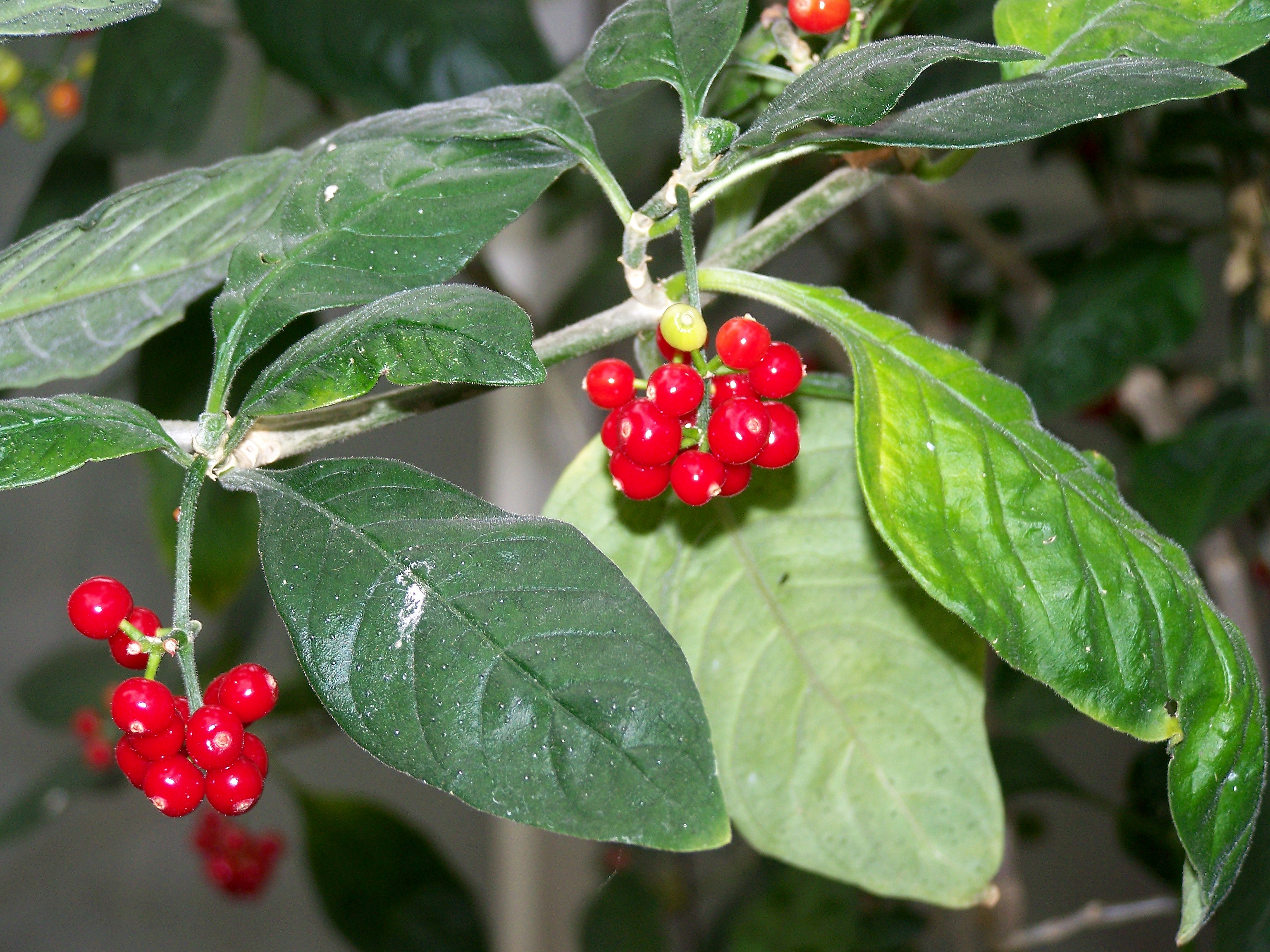
Psychotria is one of the largest genera of flowering plants, comprising more than 1,600 accepted species (with over 2,400 total descendant taxa recognized in GBIF). It belongs to the family Rubiaceae — the coffee family — and is placed in the order Gentianales, subfamily Rubioideae, tribe Psychotrieae. The genus was formally described by Carl Linnaeus in 1759 (Syst. Nat. ed. 10. 2: 929) with Psychotria asiatica as the type species. Common names include wild coffee and bird-berry bushes.
Members of Psychotria are predominantly small understory shrubs and trees found throughout the world's tropical and subtropical forests. The genus has a pantropical distribution spanning the Americas, Africa, Madagascar, Asia, and Pacific island groups, from lowland rainforests to montane ecosystems. In the Americas, species occur from Colombia and the Amazon basin south to Argentina; African representatives are found as far south as Angola; and the genus extends through the Indian Ocean islands and into Southeast Asia.
Several Psychotria species are of considerable ethnobotanical significance. Most notably, Psychotria viridis (chacruna) is a central ingredient in ayahuasca, the traditional ceremonial brew prepared by Indigenous peoples of the Amazon, where it contributes DMT and related alkaloids. The genus has a complex taxonomic history, having accumulated 45 documented synonyms including Cephaelis, Grumilea, and Palicourea; ongoing revisions have reclassified some species — such as the "hot lips" plant formerly known as Psychotria elata — into Palicourea. A number of species, particularly those endemic to central Africa and Pacific islands, face endangerment or extinction due to deforestation.
Distribution
Psychotria has a pantropical distribution, occurring naturally across the Americas, sub-Saharan Africa, Madagascar, South and Southeast Asia, and the Pacific islands. GBIF distribution records document the genus from multiple Colombian departments (Casanare, Caquetá, Guaviare, Meta, Chocó, Boyacá, Cauca, Bolívar), from northeast and northwest Argentina, from Angola in Africa, and from Indian Ocean archipelagos including Aldabra. Specimens held in North American herbaria (BRIT, BYU, FLAS, LSU) attest to collections across the Americas and beyond.
Ecologically, species occur across a wide elevational range — from lowland Amazonian rainforest to mid-montane cloud forest — and are found in both protected reserves (such as Colombia's Serranía de Chiribiquete National Park) and unprotected humid forest patches. Species endemic to central Africa and the Pacific face localized threats from deforestation.
Taxonomy
Psychotria L. was formally established by Carl Linnaeus in 1759 (Syst. Nat. ed. 10. 2: 929, 1364), with Psychotria asiatica as its type species. The genus is placed in Rubiaceae (order Gentianales, subfamily Rubioideae, tribe Psychotrieae). It is one of the largest genera in the family, with GBIF recording over 2,447 descendant taxa and ITIS listing more than 80 named entities — many of which are synonyms or deprecated names reflecting a long history of taxonomic revision.
The genus has accumulated 45 documented synonyms, among them Cephaelis, Grumilea, and Palicourea. In recent decades, phylogenetic work has prompted the transfer of some well-known species into allied genera: the ornamental "hot lips" plant, formerly Psychotria elata, is now placed in Palicourea. The ITIS database treats many previously accepted Psychotria names as "not accepted," underscoring the ongoing instability at the species boundary level within this large, pantropical group.
Ecology
Psychotria species are characteristic elements of tropical forest understories. They are adapted to low-light conditions beneath the forest canopy, growing as shrubs or small trees. Some species, such as Psychotria viridis, display specialized leaf structures — foveolae, small pockets on the lower leaf surface at secondary vein junctions — that harbor predatory mites, providing a form of biotic pest protection.
The genus includes species at risk from habitat loss, particularly those with narrow ranges in central Africa and the Pacific islands, where deforestation is a primary threat.
Cultivation
Psychotria viridis thrives in USDA hardiness zone 10 or warmer, consistent with the genus's preference for frost-free tropical conditions. Species generally perform best in shaded to partially shaded positions that replicate the understory conditions of tropical forests, with consistent moisture. Propagation from stem cuttings is relatively straightforward; seeds can also be germinated but require fresh seed and patience, as germination may take 2–6 months owing to the presence of immature embryos.
Propagation
Psychotria can be propagated by stem cuttings, which root with relative ease. Seed propagation is viable but slow — fresh seed should be used, and germination may take 2 to 6 months because seeds often contain immature embryos at the time of collection. Optimal conditions for both methods include warm temperatures (zone 10+) and high humidity consistent with tropical forest environments.
Cultural Uses
Psychotria has significant ethnobotanical importance in Amazonian cultures. Psychotria viridis (chacruna) is one of the two principal ingredients in ayahuasca, a ceremonial psychoactive brew prepared by Indigenous peoples across the Amazon basin. The plant contributes DMT (dimethyltryptamine), beta-carbolines, and N-methyltryptamine; alkaloid concentrations in dried leaves are approximately 0.3% and follow a diurnal cycle, peaking around 6am and again around 6pm. Among the Machiguenga people of Peru, the leaf juice of P. viridis is also applied as eye drops to treat migraines.
More broadly, many species in the genus have traditional medicinal and nutritional uses across tropical regions, reflected in the common name "wild coffee" used in English-speaking Caribbean and Mesoamerican areas.
Conservation
Species-level conservation status within Psychotria is uneven. Psychotria viridis is assessed as Least Concern by the IUCN Red List, reflecting its wide distribution across the Amazon basin. However, at the genus level, some members — particularly narrow-range endemics in central Africa and the Pacific islands — are endangered or extinct in the wild due to deforestation. No Psychotria species or the genus as a whole appears in the IUCN Global Invasive Species Database, indicating members are not recognized as invasive threats.










