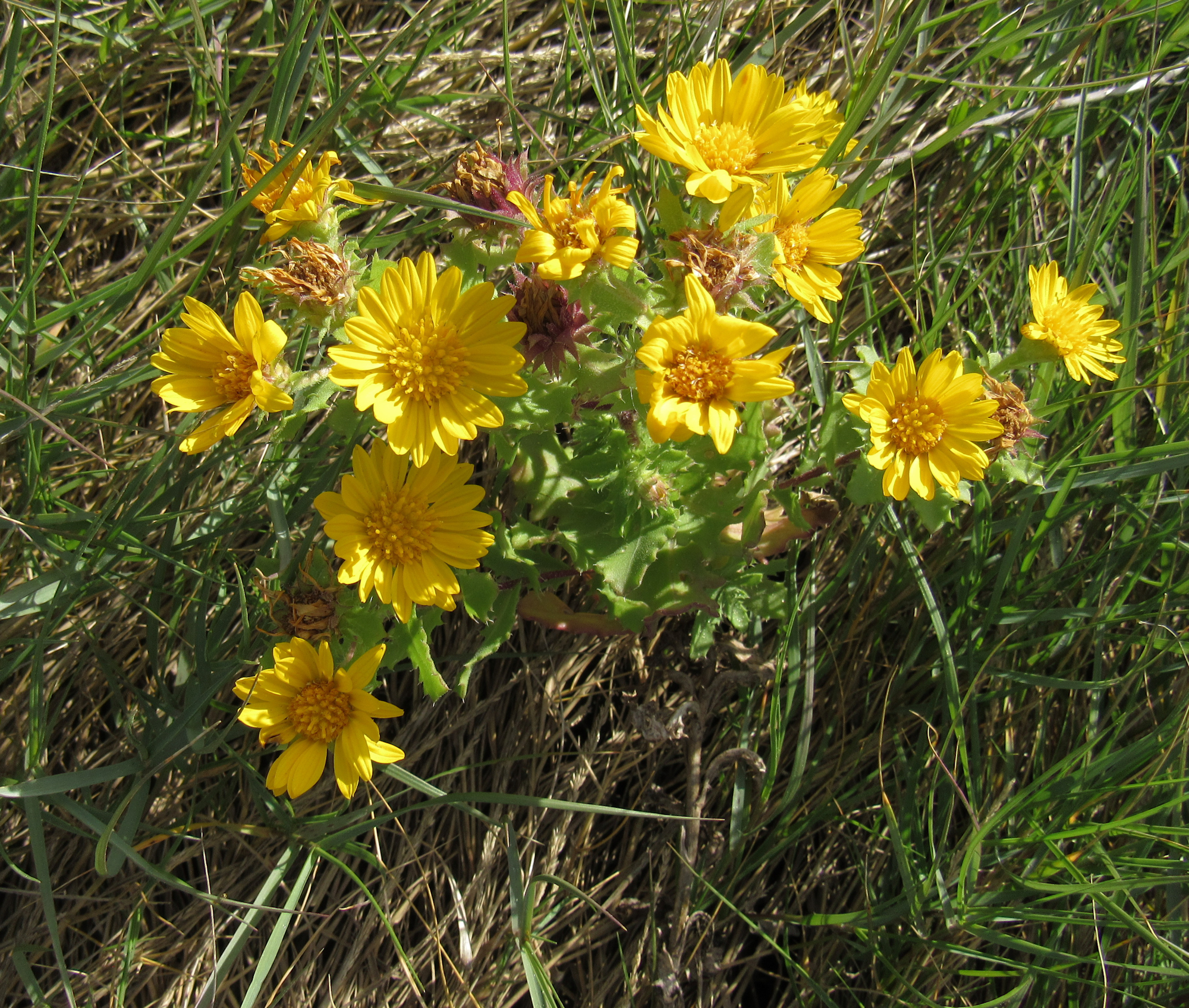
Rayjacksonia is a small genus of flowering plants in the family Asteraceae (daisy family), comprising three recognized species native to North America. The genus belongs to the tribe Astereae and is one of several groups informally known as tansyasters, a loose assemblage of yellow-rayed composites in the sunflower family. Plants in the genus are herbaceous annuals or perennials that produce small, daisy-like flower heads with yellow ray and disc florets typical of the broader aster alliance.
The genus is distributed across the south-central and southeastern United States, with individual species ranging from the Great Plains (Nebraska, Kansas, Wyoming, Colorado) south through Texas, Oklahoma, and New Mexico into northern Mexico (Tamaulipas), and eastward along the Gulf coastal plain through Louisiana, Mississippi, and Florida. Rayjacksonia phyllocephala (coastal tansyaster) is the most widespread species, extending from Texas to Florida. Rayjacksonia annua occupies the central plains and southwestern states, while Rayjacksonia aurea is restricted to Texas.
The genus was segregated from the broader Machaeranthera complex by R.L. Hartman and M.A. Lane and named in honor of Raymond Carl Jackson, an American botanist.
Etymology
The genus name Rayjacksonia honors Raymond Carl Jackson, an American botanist. The name was established when the genus was segregated from Machaeranthera by R.L. Hartman and M.A. Lane.
Distribution
Rayjacksonia species are native to the south-central and southeastern United States and northern Mexico. R. annua ranges from Texas north through Oklahoma, Kansas, Nebraska, and into Colorado, New Mexico, and Wyoming. R. phyllocephala occurs along the Gulf coastal plain from Texas to Florida and into Tamaulipas, Mexico. R. aurea is endemic to Texas.
Taxonomy Notes
Rayjacksonia was segregated from the Machaeranthera complex and placed in the family Asteraceae (also recorded under the synonym Compositae in GBIF). GBIF lists the genus as accepted with 17 descendant records, though only three species are listed in the Wikipedia article. The genus is placed in tribe Astereae and is one of several groups known as tansyasters.










