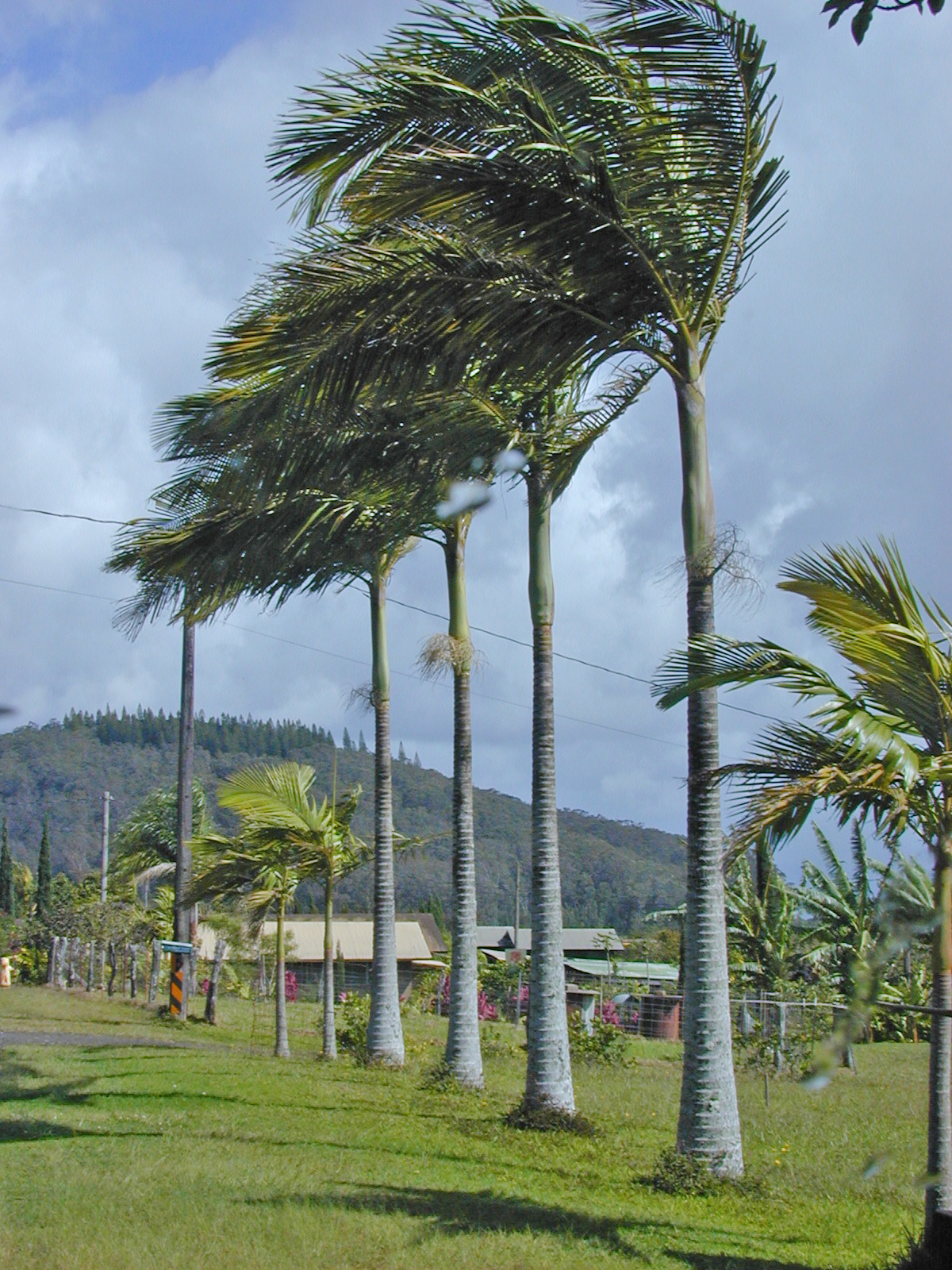
Archontophoenix is a genus of six species of feather palms in the family Arecaceae (order Arecales), endemic to eastern Australia. All species occur in Queensland, and one — Archontophoenix cunninghamiana, the Bangalow palm — extends south into New South Wales. The palms are characterised by their tall, slender, unbranched trunks and graceful arching fronds, which lend them a distinctly regal appearance.
Morphologically, plants produce an inflorescence divided into numerous pendent spikes borne on a 2-valved spathe. The flowers are unisexual and typically arranged in triads of one central female and two flanking male flowers; petals are purple and the perianth is 3-merous. Fruits are globose and ripen to pink or red, with a fleshy pericarp that is attractive to birds.
The genus belongs to the subtribe Archontophoenicinae, whose relationships with related genera — including the New Caledonian endemics Actinokentia, Chambeyronia, and Kentiopsis — remain unresolved. Well-known species include Archontophoenix alexandrae (Alexandra palm), A. cunninghamiana (Bangalow palm), and A. purpurea (Mount Lewis king palm). Several species are widely cultivated as ornamental street and garden palms in subtropical and tropical regions worldwide.
Etymology
The genus name Archontophoenix derives from the Ancient Greek ἄρχων (árkhōn), meaning 'chieftain' or 'ruler', combined with Phoenix, the name of the date-palm genus. The compound name alludes to the commanding, regal stature of these tall palms.
Distribution
All six species are endemic to eastern Australia, with their range spanning Queensland and, in the case of A. cunninghamiana, extending south into New South Wales. Species occupy rainforest margins, riparian corridors, and moist gullies along the east coast.
Cultivation
Several Archontophoenix species — particularly A. alexandrae and A. cunninghamiana — are among the most widely planted ornamental palms in subtropical and warm-temperate regions globally. They are valued for their fast growth, clean trunks, and tolerance of a range of soils, making them popular as avenue trees and garden specimens outside their native range.










