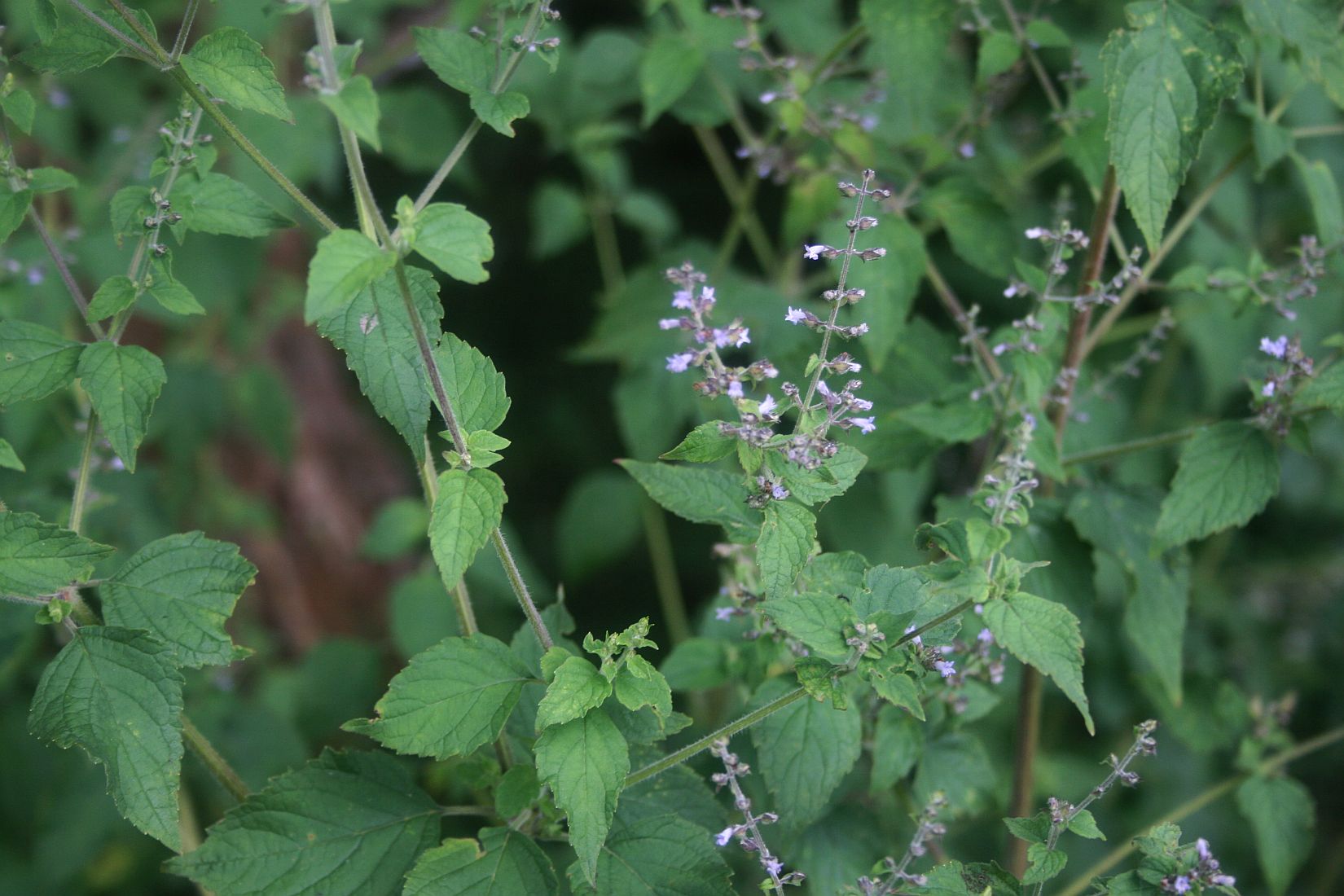
Cantinoa is a genus of flowering plants in the mint family (Lamiaceae, order Lamiales), first described by Raymond Mervyn Harley and José Floriano Barêa Pastore in 2012. It is native primarily to the New World, with a range spanning Tropical and Subtropical America from Florida and Mexico through Central America and the Caribbean into South America as far south as Argentina and Uruguay; some species have been introduced in the Old World. The genus name honours American botanist Philip D. Cantino, a Lamiaceae specialist at Ohio University. A relatively small genus with few accepted species, Cantinoa is not universally recognized — the United States Department of Agriculture treats it as a possible synonym of Hyptis.
Etymology
The genus Cantinoa is named in honour of Philip D. Cantino (born 1948), an American botanist at Ohio University known for his work on the Lamiaceae plant family.
Distribution
Cantinoa is native to Tropical and Subtropical America, with species occurring from the southeastern United States (Florida) through Central America and the Caribbean, and across much of South America to Argentina and Uruguay. Some species have been introduced in the Old World.
Taxonomy Notes
Cantinoa was described in 2012 by Harley and Pastore in Phytotaxa. It is not universally recognized: the United States Department of Agriculture and Agricultural Research Service treat it as a possible synonym of the older genus Hyptis Jacq. GBIF, however, accepts Cantinoa as a valid genus with a small number of descendant species.










