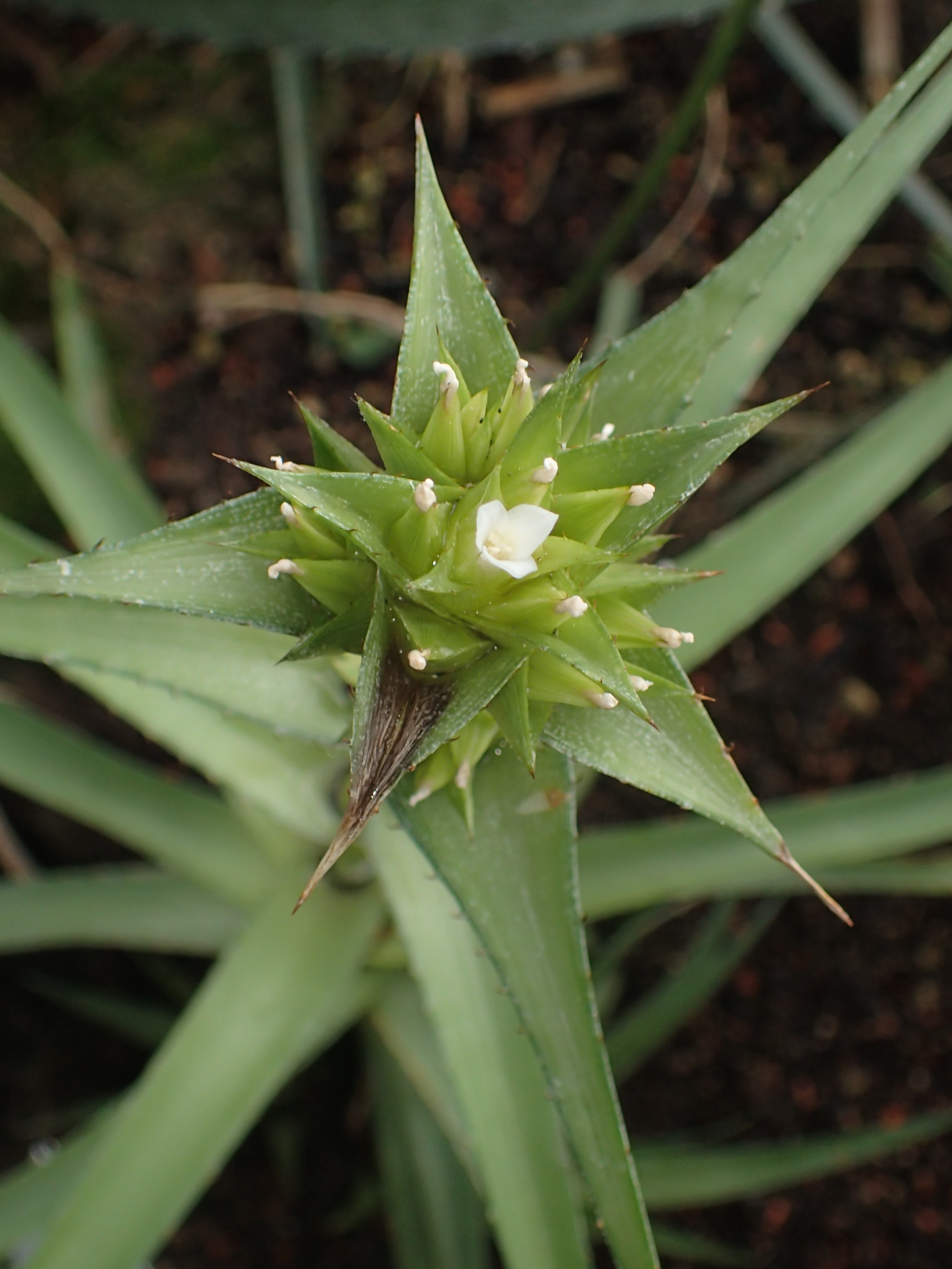
Orthophytum is a genus of flowering plants in the family Bromeliaceae (subfamily Bromelioideae), the bromeliad family that also includes pineapple and many popular houseplants. The genus name combines the Greek words orthos (straight) and phyton (plant), a reference to the typically erect growth habit of its members. With approximately 51 accepted species, Orthophytum belongs to the order Poales within the flowering plant class Magnoliopsida.
All species in the genus are endemic to the Atlantic Forest biome (Mata Atlântica) of southeast Brazil, one of the world's most biodiverse and threatened tropical forest regions. Species occur across the Brazilian states of Alagoas, Bahia, Espírito Santo, Minas Gerais, Paraíba, and Pernambuco. As is common in Bromeliaceae, members of Orthophytum are adapted to rocky outcrops and other challenging substrates within their native range.
Advances in molecular DNA analysis have substantially reshaped the genus over recent decades. Many species originally described under Orthophytum have been transferred to related genera, most notably Sincoraea and Lapanthus. Several cultivars and hybrids of Orthophytum are grown as ornamental plants valued for their compact rosette form and ornamental foliage.
Etymology
The name Orthophytum derives from the Greek orthos (straight) and phyton (plant), describing the characteristically erect growth form of plants in this genus.
Distribution
All species are endemic to the Atlantic Forest biome (Mata Atlântica) of southeast Brazil. They are found in the states of Alagoas, Bahia, Espírito Santo, Minas Gerais, Paraíba, and Pernambuco.
Taxonomy Notes
Molecular DNA studies have led to a significant revision of Orthophytum's circumscription. Many species formerly placed here have been transferred to the segregate genera Sincoraea and Lapanthus. The genus currently contains approximately 51 accepted species per GBIF. It sits within Bromeliaceae subfamily Bromelioideae, order Poales.










